






George Costanza once declared, “I was bald” as though his toupee had reversed the laws of nature. It hadn’t. But today, men dealing with hair loss actually have proven hair loss treatments that can help. Real ones.
By age 50, roughly 85% of men experience some degree of hair loss. For 21% of men, that process begins before age 21. While cultural attitudes have shifted (Bruce Willis, Dwayne Johnson, and Michael Jordan have made a compelling case for owning it), many men would still prefer to keep their hair. If you’re one of them, here’s a clear-eyed look at what the best hair restoration treatment for men in Napa can offer you.
Why Hair Loss Happens
Male pattern baldness is largely genetic. The hormone DHT (dihydrotestosterone) gradually shrinks hair follicles over time, shortening the growth cycle until follicles stop producing hair altogether. There is currently no permanent cure for male pattern baldness, but there are proven hair loss treatments that can slow its progression, stimulate regrowth in early stages, and surgically restore hair where follicles have already been lost.
Non-Surgical Options: PRP and Micro-Needling
For men in the early stages of hair loss, where functioning follicles are still present, PRP (platelet-rich plasma) therapy is one of the most promising non-surgical options available.
PRP is derived from your own blood. A small sample is drawn, processed to concentrate the growth factors, and then injected directly into the scalp to stimulate follicle activity as part of hair restoration in Napa. Because it uses your own plasma, it is safe, well-tolerated, and requires no downtime. Periodic treatment sessions are recommended to maintain and build on results.
When PRP is delivered via micro-needling, a technique we use regularly at our practice, the results can be meaningfully enhanced. Micro-needling creates micro-channels in the scalp that improve the absorption and distribution of growth factors, making the treatment more effective as a proven hair loss treatment.
Medications like finasteride and minoxidil can also help some men slow hair loss, though results vary, can have some unwanted side effects, and neither addresses follicles that have already stopped producing hair.
Surgical Hair Restoration: From Hair Plugs to NeoGraft FUE
Surgical hair transplantation has come a long way since the 1950s, when the original “hair plug” technique left results that looked anything but natural. That reputation has lingered in some minds, but today’s technology is a different matter entirely and plays a central role in the best hair restoration treatment for men.
The evolution of hair transplant techniques:
- 1950s–1980s – Hair plug technique: Unnatural appearance, significant scarring.
- 1990s – Follicular Unit Transplantation (FUT) often compared in FUT vs FUE hair transplant discussions,: A major improvement using strip harvesting; still used by some surgeons today.
- Today – Follicular Unit Extraction (FUE): Minimally invasive, no linear scar, natural-looking results.
NeoGraft: The Technology We Use at Napa Solano Plastic Surgery
We perform FUE hair transplants using the NeoGraft hair restoration system in Napa, a semi-automated platform that improves both the precision and speed of follicle harvesting. Each graft contains only one or two hair follicles, extracted individually from the back of the scalp with no incisions and no linear scar in the donor area.
The NeoGraft system combines automated harvesting technology with the guided artistry of a skilled surgeon. Graft placement, the angle, depth, and direction of each follicle, is where surgical judgment is most critical. It is what separates a natural, dense result from one that looks worked on and supports hair restoration in Napa with natural-looking outcomes.
What to Expect: Hair Transplant Recovery Timeline
The procedure is performed under local anesthesia with mild sedation. Most patients find the experience manageable, and some describe it as surprisingly easy as part of the best hair restoration treatment for men.
Here is what the hair transplant recovery timeline looks like:
- Return to work: within 2 days
- Return to vigorous activity: within 3 weeks
- Transplanted hair sheds at 2–3 weeks (this is expected)
- New growth begins within a few months
- 60% of new growth is visible at 6–9 months
- Full result at 12 months
Frequently Asked Questions About Hair Restoration
Am I a candidate for a hair transplant in Napa?
Good candidates or the best hair restoration treatment for men typically have stable hair loss, sufficient donor hair at the back and sides of the scalp, and realistic expectations. A consultation with our team is the most reliable way to assess candidacy.
What is the difference between FUE and FUT hair transplant?
FUT involves removing a strip of scalp from the donor area, which leaves a linear scar. FUE extracts individual follicular units one at a time, leaving no linear scar and allowing for a shorter recovery.
Is PRP a permanent solution for hair loss?
PRP is not a permanent solution, but it is a proven hair loss treatment for slowing hair loss and stimulating regrowth in follicles that are still active. Periodic maintenance sessions are recommended.
How soon can I see results after a NeoGraft procedure?
Visible growth typically begins within a few months of the procedure. Most patients see approximately 60% of their new growth by the 6–9 month mark, with the full result visible at 12 months after NeoGraft hair restoration in Napa.
Ready to Learn More?
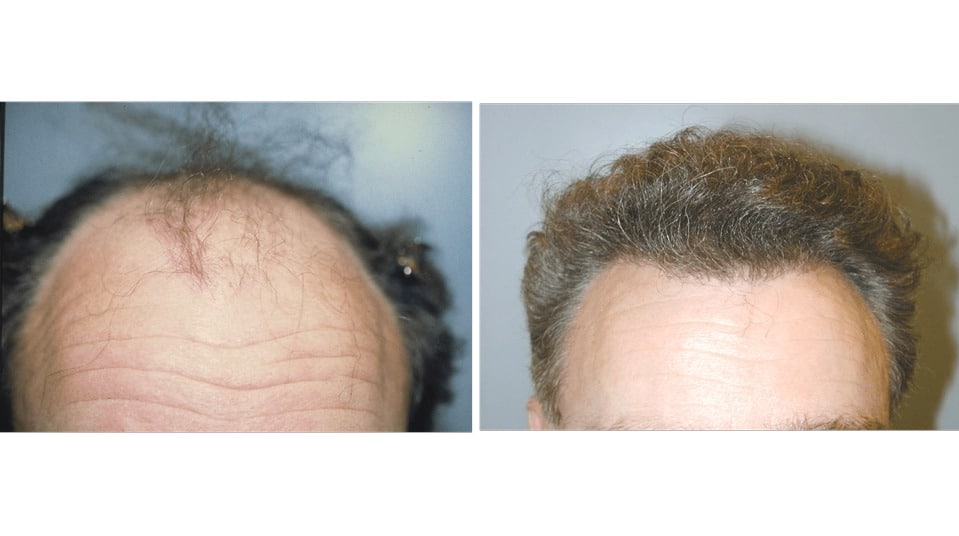
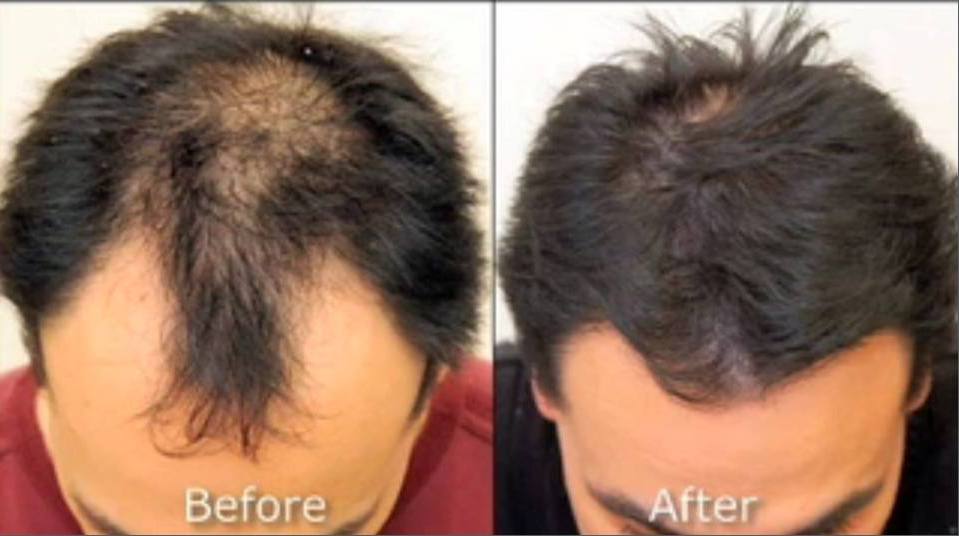
We’re happy to answer your questions about the best hair restoration treatment for men and help you understand which approach best fits your goals. Browse our before and after gallery to see actual patient results, then contact us to schedule a consultation with our board-certified surgical team.